Egypt Opens GEM — A New Cultural Landmark, With African Leaders in Attendance
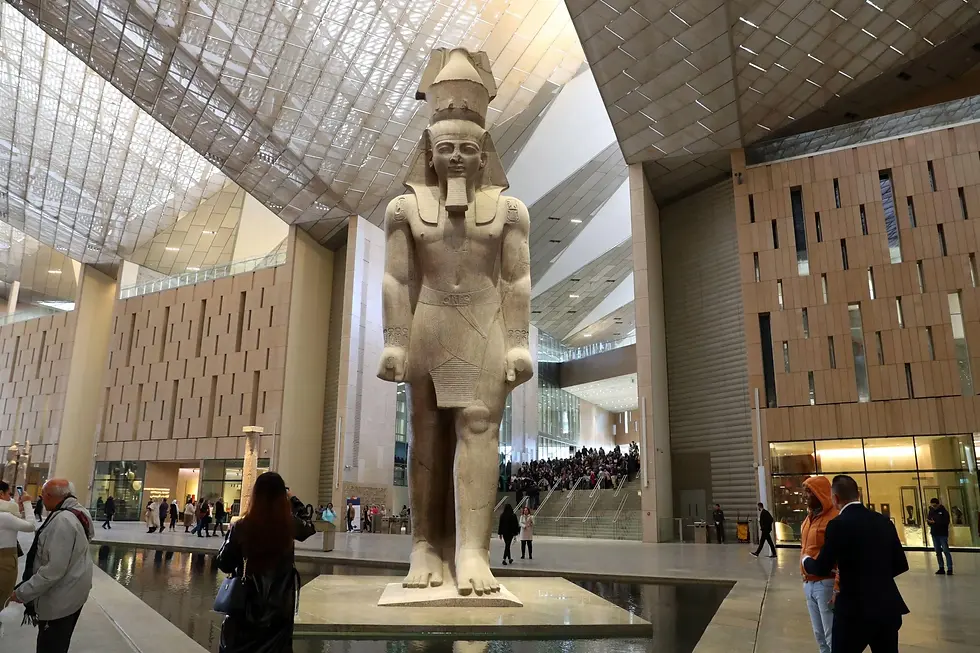
On November 1 2025 the Grand Egyptian Museum (GEM) was officially inaugurated near the Pyramids of Giza, marking a major milestone in Egypt’s heritage and tourism ambitions. The opening ceremony drew a sweeping array of leaders and dignitaries from Africa and around the world, including heads of state such as Felix Tshisekedi of the Democratic Republic of the Congo, John Mahama of Ghana, João Lourenço of Angola, and Azali Assoumani of the Comoros. The vast 50-hectare museum is billed as the largest in the world dedicated to a single civilization, housing artefacts spanning thousands of years, including the complete treasures from the tomb of Tutankhamun.
Egypt’s President Abdel Fattah el‑Sisi described the museum as more than a repository of antiquities—“It is not merely a place to preserve precious artefacts; it is a living testimony to the genius of the Egyptian people who built the Pyramids and inscribed eternity on the walls of its temples.”
The GEM’s design, executed by the Irish architecture firm Heneghan Peng, features a monumental eight-level structure with galleries that offer a direct view of the Pyramids. Analysts note that the museum was built not only to display ancient objects but also to reposition Egypt as a global cultural and tourism hub. With the country targeting 30 million visitors annually by 2030, GEM becomes a central pillar of that strategy.
Egyptian tourism officials emphasized this message of renewal. “It brings together the genius of ancient Egyptians and the creativity of modern Egyptians, enhancing the world’s culture and art with a new landmark that will attract all those who cherish civilisation and knowledge,” President el-Sisi said in his public remarks.
For African leaders attending, the ceremony reinforced continental cultural ties and Egypt’s role as a partner in African tourism and heritage promotion. The presence of presidents from Ghana, Angola, the Comoros, and the Democratic Republic of the Congo symbolised the museum’s pan-African resonance—and its potential to draw inbound tourism from across the continent.
As Egypt opens GEM to the world, the next phase will test its capacity to deliver robust experiences, guide high visitor numbers, and drive economic benefit. Naysayers note the project’s long delays and high cost (estimated over $3 billion). Yet supporters highlight that GEM offers visitors a concentrated experience of three millennia of Egyptian civilisation in one state-of-the-art facility—an offering unmatched elsewhere.
In the wake of its inauguration, Egypt’s message is clear: From Cairo to the Nile and into Africa, heritage matters, tourism matters, and collaboration matters. GEM stands not just as a museum, but as a beacon inviting the world to engage with the story of civilisation—past, present and future.


Comments